

The last stop on my recent excursion to Cupramontana was at the Ca'Liptra farm. Just thinking about it still makes me shiver! There fraintendetemi, I was referring to the cold gusts of wind that still carried me away a little that day! Jokes aside, returning serious, I reflected on the important influence that this climatic condition has on viticulture.
in fact, this mass of air in motion, acting on the microclimate, it helps to reduce humidity and consequently prevents the formation of fungal diseases. Also, limits the development of phytophagous insects harmful to crops and infectious virus vectors for plants, limiting the use of phytosanitary treatments. I'm talking about the wind, this atmospheric phenomenon allied to the biodiversity of agroecosystems, and in this case, of the vine. One of the essential elements of the climate, that, together with the vine, to the territory and to the skill of those who make the wine, express the typicality of a product.
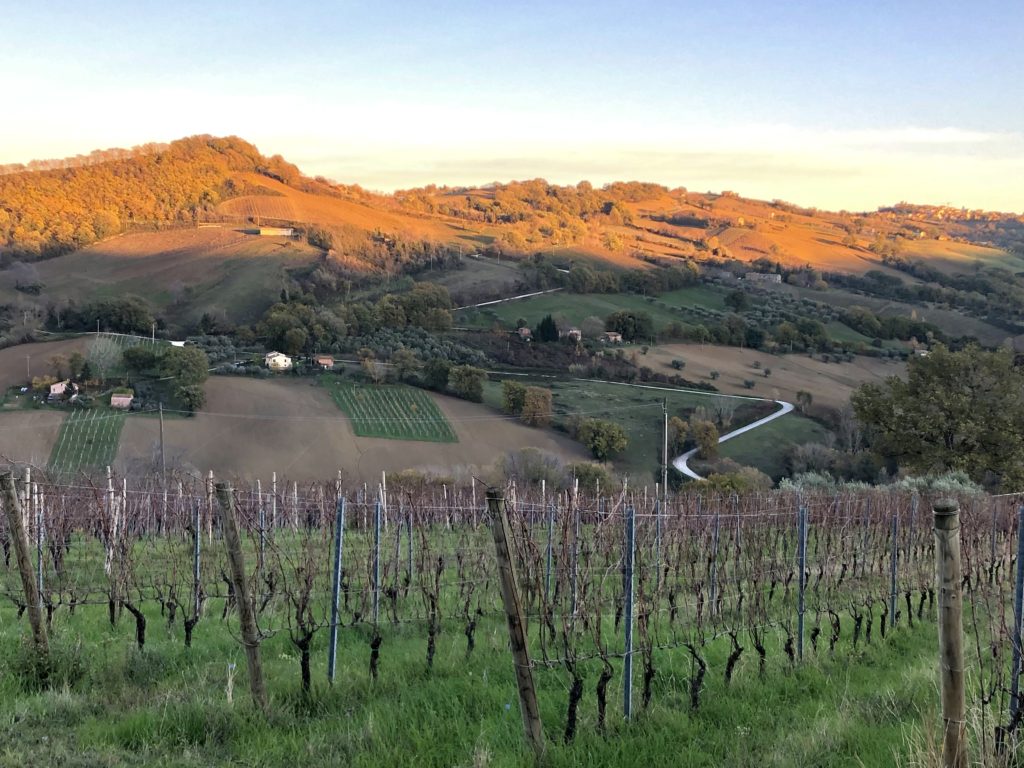
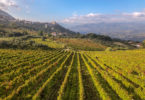
That day, arrived at its destination, I found myself immersed in a real natural amphitheater. A dire la verità appurare l’esattezza del luogo non fu davvero facile. in fact, la sede della società agricola è poco segnalata. Anyway, dopo qualche telefonata chiarificatrice, riuscii finalmente ad iniziare la mia visita a Ca’Liptra. La scelta del nome prende spunto dall’apparato del fiore della vite, una sorta di cappuccio protettivo dell’infiorescenza, che si stacca all’avvenuta fioritura.
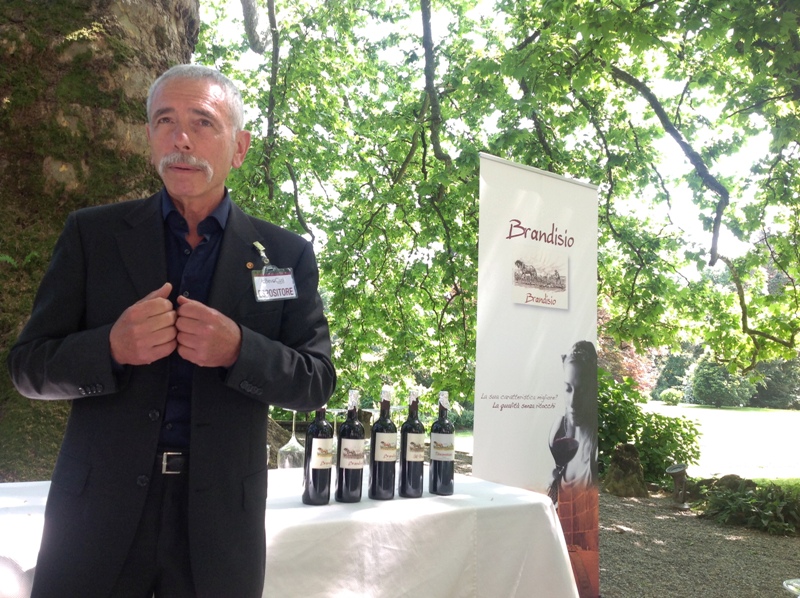
Una piccola realtà agricola a conduzione biologica nata nel 2012 dall’unione di tre soci, that, conclusi gli studi di enologia, dopo il tirocinio a Cupramontana – capitale storica del Verdicchio – si sono innamorati a tal punto della zona da trasferire qui le loro vite. "Making wine together", questo è il progetto. Uno di loro, Roberto Alfieri – mia gentile guida – è giunto qui da Monza, sua terra di origine: “Il Verdicchio l’ho conosciuto e apprezzato durante il mio praticantato a Cupramontana. È molto interessante la sua evoluzione, soprattutto se invecchiato almeno cinque anni.”
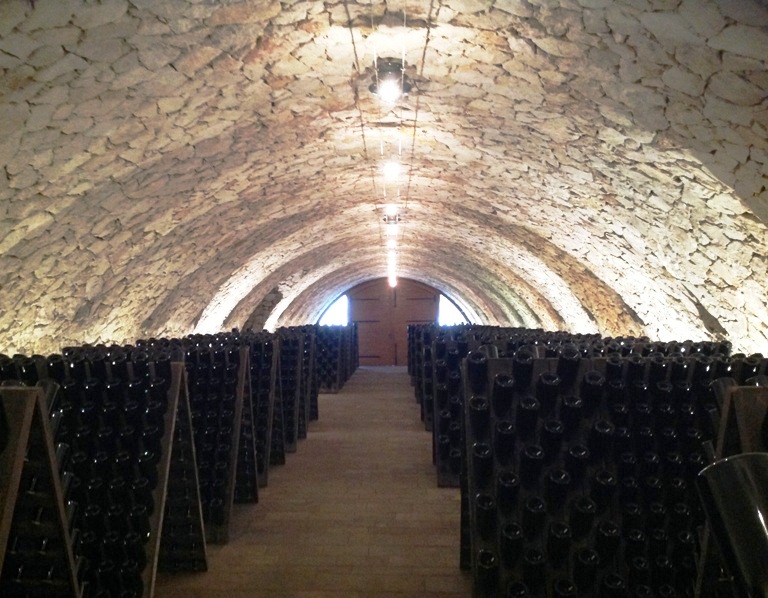
Partiti con due ettari di vigneti, parzialmente recuperati, oggi ne allevano nove. Sette nella Contrada di San Michele, zona storica esposta a sud – la zona più calda di Cupramontana – con terreni molto scoscesi e vigne con una pendenza media del 40 %, e due in Contrada San Marco. Vigneti inerbiti trattati solo con rame e zolfo. In una modesta struttura, ancora in via di sistemazione, from 2012 vinificano in una piccola cantina affinando in acciaio e vasche di cemento, for a total of about 20.000 bottiglie annue.

Sapidità, acidità e mineralità, il denominatore comune dei loro vini:
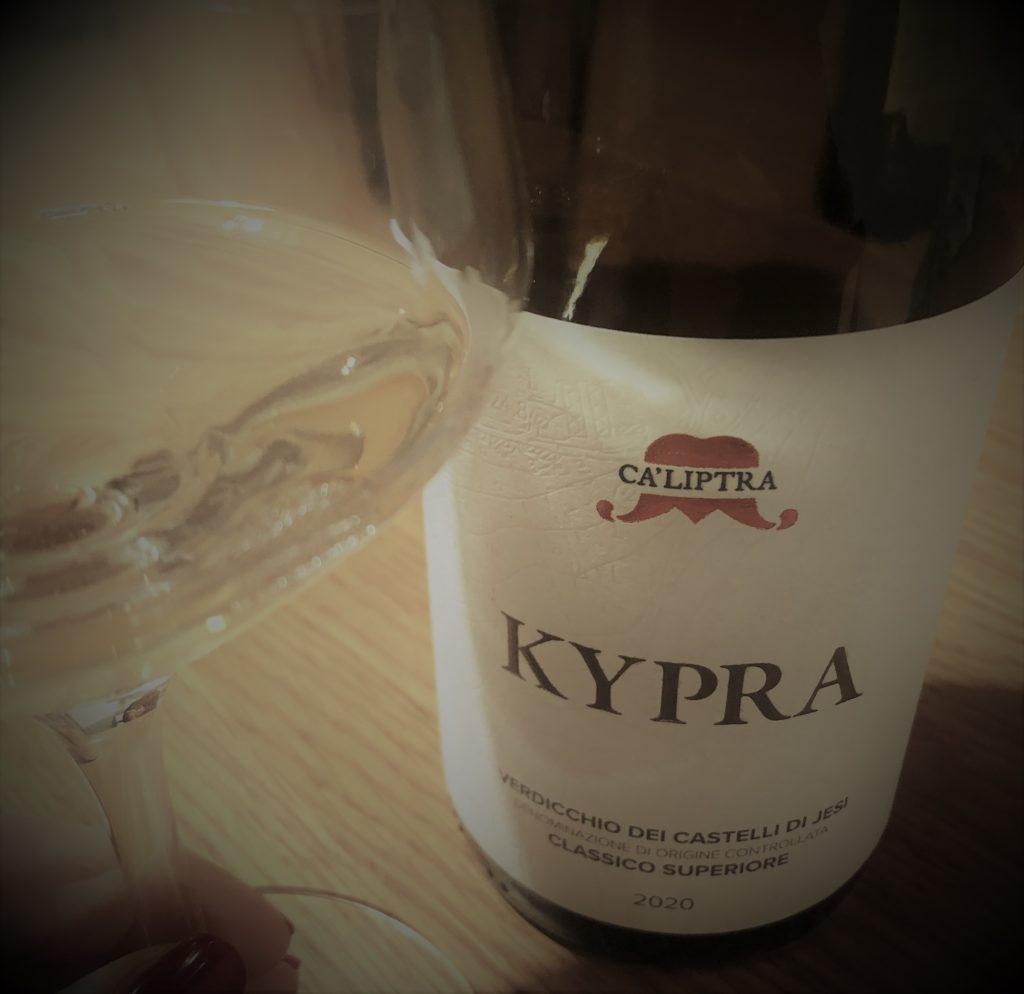
KYPRA : Verdicchio in purezza, lieviti indigeni. Espressione del territorio di Cupramontana, unione di parcelle diverse. Fermenta e affina sulle fecce fini, in vasche di cemento, per almeno 8 mesi.
S.MICHELE 21 : Verdicchio in purezza. Vino di vigna. 0,55 ha, 350 m s.l.m. con filari esposti a sud-est. Fermentazione spontanea senza controllo di temperatura in barriques di più passaggi. Affinamento per 12 mesi sulle fecce di fine fermentazione e 6 mesi in bottiglia.
LE LUTE : Verdicchio in purezza, metodo classico. Uva raccolta da un singolo appezzamento a 380 m s.l.m. con filari esposti a sud. Prodotto solo in annate particolarmente favorevoli. Affina in bottiglia per oltre 36 mesi.
CALIPTRA : Trebbiano in purezza, lieviti indigeni. Vengono effettuate due diverse raccolte: la prima, anticipata, per mantenere l’acidità e la seconda a maturazione, con breve macerazione sulle bucce. Le due masse, tenute separate fino a fine fermentazione, vengono poi unite per l’affinamento, che si svolge in vasche di acciaio per sei mesi sulle fecce fini.
ARANCIO : Trebbiano in purezza, lieviti indigeni. Proveniente da una singola vigna a 220 m s.l.m. esposta a est. Una lunga macerazione sulle bucce lo sfuma d’arancio. Affinamento di otto mesi in acciaio sulle fecce fini.
AMISTA’ : Montepulciano in purezza. Proveniente da una piccola vigna di 0,27 ettari a 200 m s.l.m. esposta ad ovest. Equipped with freshness and drinkability, since it carries out a short maceration of 2-3 days. The fermentation ends in exhausted barriques and steel tanks, refining on the lees for 9 mesi.
Ca'Liptra Agricultural Company – Via San Michele, 21 Cupramontana (AN) www.caliptra.it